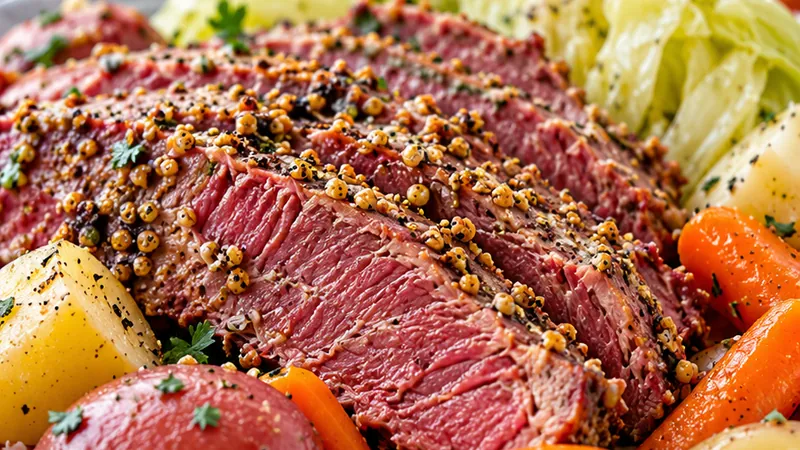
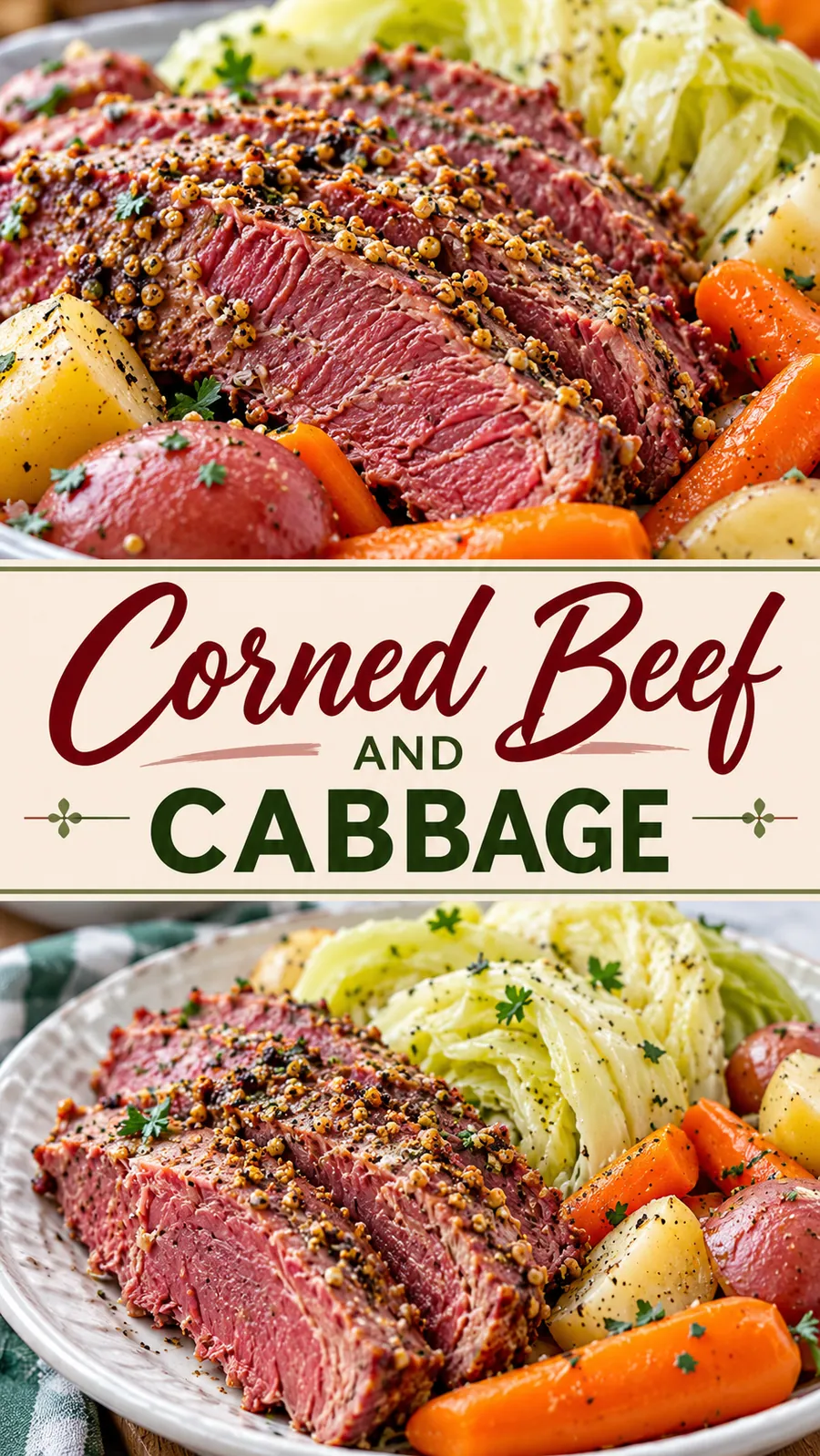
There is something wonderfully comforting about a big pot of corned beef and cabbage bubbling away on the stove. The kitchen fills with the savory scent of pickling spices, bay leaf and slow-cooked beef, and by the time the brisket is ready it practically melts into tender, juicy slices that fall apart at the touch of a fork.
This is the dinner to make for St. Patrick's Day, but it is just as welcome on a chilly Sunday when you want a hearty, no-fuss meal that feeds a crowd. Everything cooks in one pot, so the potatoes, carrots and cabbage soak up all that beefy, peppery broth and you end up with a full dinner and very little cleanup.
 Save
I still remember the first time I made this for my family and was surprised at how simple it was. The secret is patience: a gentle simmer, never a hard boil, and a short rest before slicing. Follow those two rules and you will get tender, flavorful corned beef every single time.
Corned Beef and Cabbage
Ingredients
Corned Beef
Vegetables
Finishing
Instructions
- Rinse the brisket
Remove the corned beef from its packaging and rinse it well under cold running water to wash away the excess surface brine. Pat it dry and set the spice packet aside. Rinsing keeps the finished beef from tasting too salty.
- Set up the pot
Place the brisket fat side up in a large Dutch oven or stockpot. Scatter the quartered onion, smashed garlic, bay leaves and peppercorns around it, then sprinkle the contents of the spice packet and the brown sugar over the top.
- Cover with water
Pour in about 10 cups of water, or just enough to cover the brisket by an inch. Place the pot over high heat and bring it to a gentle boil, skimming off any foam that rises to the surface with a spoon.
- Simmer low and slow
Reduce the heat to low, cover the pot with the lid slightly ajar, and let the brisket simmer gently for about 2 hours 30 minutes. You should see only a few small bubbles breaking the surface. A hard boil will make the meat tough and stringy.
- Add the potatoes and carrots
Nestle the potatoes and carrots into the broth around the brisket, pushing them down so they are mostly submerged. Cover again and simmer for 30 minutes, until the vegetables are just starting to turn tender.
- Add the cabbage
Lay the cabbage wedges on top of the beef and vegetables, spooning a little broth over them. Cover and cook for 20 to 25 minutes more, until the cabbage is silky and a fork slides easily into the brisket. The total simmering time for the beef should be about 3 hours.
- Rest the meat
Transfer the brisket to a cutting board and tent it loosely with foil. Let it rest for 15 minutes so the juices settle back into the meat. Use a slotted spoon to move the vegetables to a warm serving platter and keep the broth hot.
- Slice against the grain
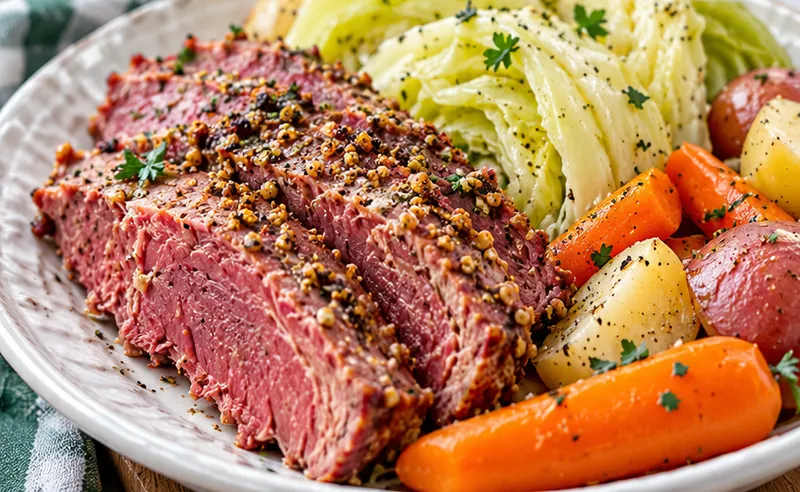
Look closely at the brisket to find which way the muscle fibers run, then use a sharp knife to cut thin slices across them. Slicing against the grain is what makes every bite tender instead of chewy.
- Dress the vegetables
Brush or drizzle the melted butter over the warm potatoes, carrots and cabbage, then sprinkle with the chopped parsley and a little coarse black pepper.
- Serve and enjoy
Arrange the sliced corned beef alongside the vegetables on a large platter and spoon a few tablespoons of the hot cooking broth over everything to keep it moist. Serve right away with whole grain mustard on the side.
Substitutions and variations
- Swap the water for 2 bottles (12 ounces each) of Irish stout plus enough water to cover for a deeper, maltier broth.
- If you prefer a milder flavor, use red potatoes or Yukon Gold potatoes in place of baby gold potatoes.
- Add a couple of peeled and quartered parsnips along with the carrots for extra sweetness.
- Use a corned beef flat cut for neat, even slices, or a point cut if you like a richer, fattier bite.
Chloe's tips
- Keep the broth at a gentle simmer the entire time. A rolling boil toughens the brisket, no matter how long it cooks.
- Plan on roughly 50 minutes of simmering per pound of corned beef, so a 3.5 pound brisket needs about 3 hours in total.
- Always slice against the grain. If the slices look shredded, rotate the brisket and try the other direction.
- Add the cabbage last so it stays tender and bright instead of turning mushy and sulfurous.
- Save the cooking broth for leftovers. It is flavorful and keeps the sliced beef from drying out when reheated.
How to store it
- Store leftover sliced corned beef and vegetables in an airtight container in the refrigerator for up to 4 days, with a few spoonfuls of broth to keep the meat moist.
- Reheat gently in a covered skillet or saucepan over low heat with a splash of broth, or in the microwave in 30 second bursts.
- Freeze sliced corned beef with some broth in a freezer-safe container for up to 2 months. Thaw overnight in the refrigerator before reheating. Cooked cabbage and potatoes do not freeze well, so enjoy those fresh.
Serving suggestions
This dinner is hearty on its own, but a few simple extras make the table feel complete.
- Warm Irish soda bread or crusty rolls with plenty of salted butter
- Whole grain mustard and creamy horseradish sauce on the side
- Leftover slices piled onto rye bread for a classic Reuben-style sandwich
- Crispy corned beef hash with a fried egg for breakfast the next morning
Frequently asked questions
How long does it take to cook corned beef?
Plan on about 50 minutes of gentle simmering per pound. A 3.5 pound corned beef takes roughly 3 hours on the stovetop, and it is done when a fork slides in with very little resistance.
Should I rinse corned beef before cooking?
Yes. A quick rinse under cold water removes the extra brine on the surface, which keeps the finished dish from being overly salty without hurting the flavor of the meat.
Can I make corned beef and cabbage in a slow cooker?
Absolutely. Place the brisket, onion, garlic and seasonings in the slow cooker, cover with water and cook on low for 8 to 9 hours. Add the potatoes and carrots for the last 3 hours and the cabbage for the last hour.
Why is my corned beef tough?
Tough corned beef is usually cooked at too high a temperature or not cooked long enough. Keep the broth at a gentle simmer, cook until fork-tender, and always slice thinly against the grain.
What is the difference between flat cut and point cut?
The flat cut is leaner and slices into neat, uniform pieces, while the point cut has more fat and marbling, so it is juicier and shreds more easily. Either one works well in this recipe.
Let's get cooking!
Corned beef and cabbage is proof that simple, humble ingredients can turn into something truly special with a little time and care. Put the pot on, let the aromas fill your home, and gather everyone around the table. I hope this becomes a cozy tradition in your kitchen for years to come.